Fear of God Essentials has become one of the most recognizable names in streetwear. The minimalist branding, oversized fit, and neutral color palette have made it a staple for anyone who wants that elevated casual look. But that popularity comes with a downside: the market is flooded with fakes. If you are about to spend your money on an Essentials hoodie, you need to know what separates the real thing from a cheap imitation. This guide will walk you through the details that actually matter.
Why Essentials Hoodies Are So Widely Faked
The demand for Essentials is massive, and the supply chain cannot always keep up. That gap is exactly where counterfeiters operate. They replicate the look from a distance, sell at a price that seems like a steal, and rely on buyers who do not know what to check. The problem is that a fake Essentials hoodie is not just a cosmetic issue. The materials are thinner, the stitching falls apart, and the fit is usually wrong. You end up paying for something that does not deliver what the brand promises.
The Flocked Print Test: The Most Reliable Method
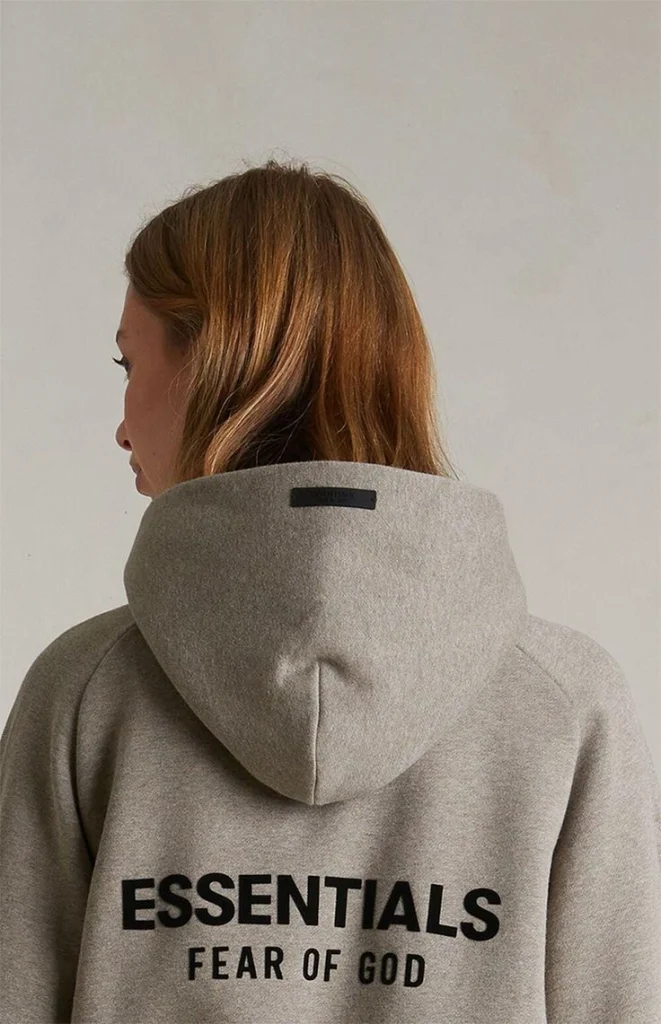
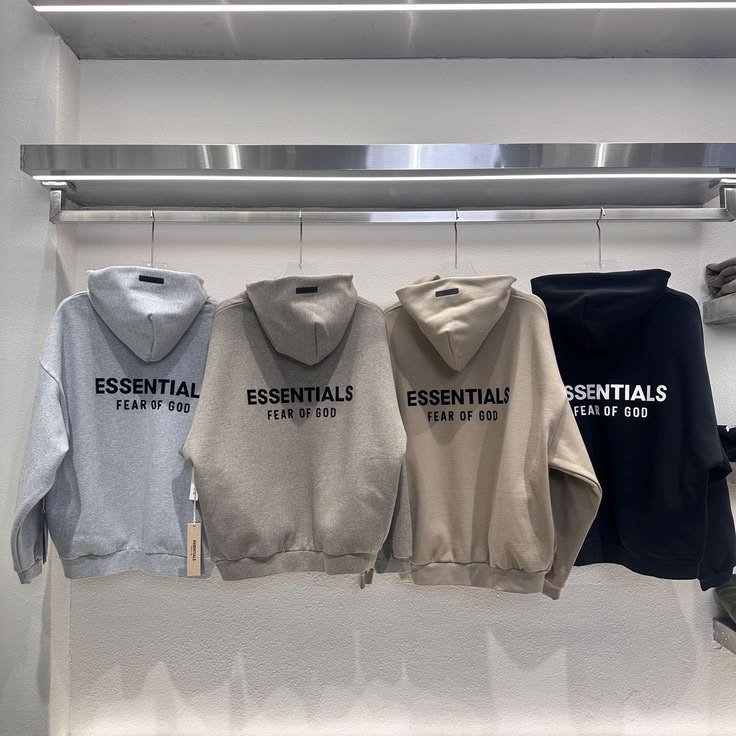
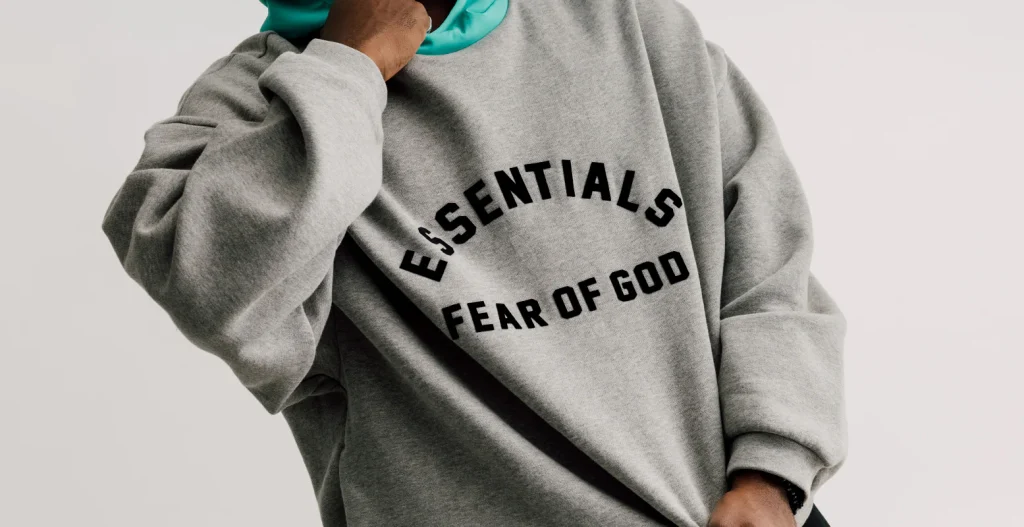
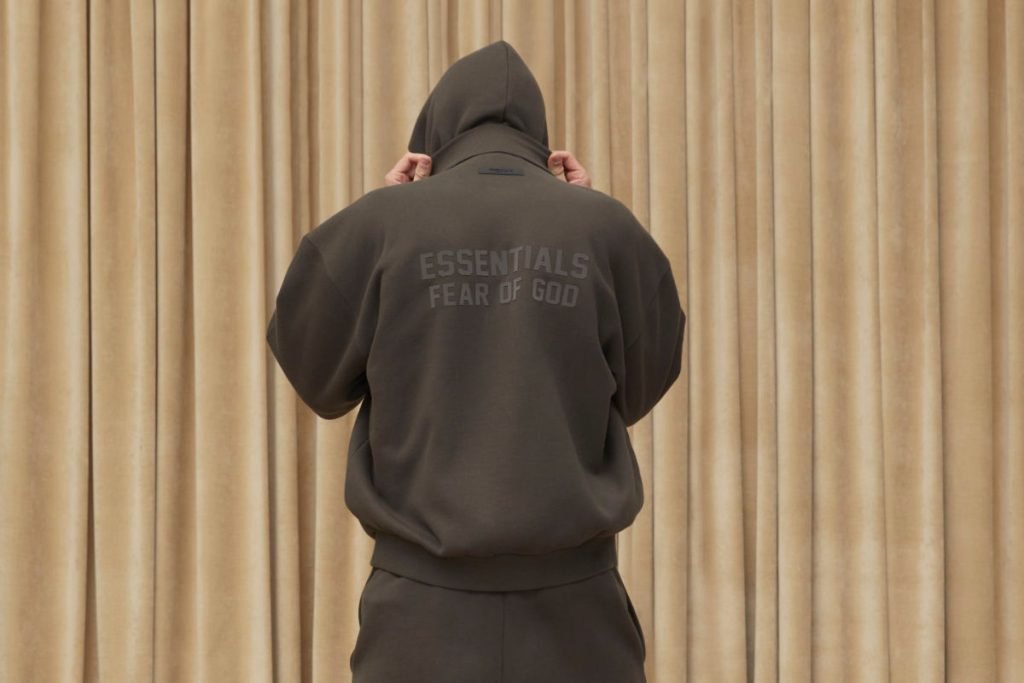
If you only have time to check one thing on an Essentials hoodie, make it the graphic. The 1977 Essentials pieces and many core releases use a flocked print technique that gives the lettering a raised, velvet-like texture . Run your finger across the “Essentials” or “1977” graphic. It should feel slightly fuzzy and have physical depth. It should not be flat like a sticker or rubbery like a cheap heat transfer.
Counterfeiters almost always skip this step because the equipment is expensive and the process is slow. They use flat screen prints or low-quality fuzz that feels rough and sheds within a few wears . If the graphic is flush with the fabric and has no tactile quality, that is a red flag.
Fabric Weight and Feel
Authentic Essentials hoodies are made from heavyweight fleece, typically around 380 GSM or higher . That weight is what gives the hoodie its structured drape and the boxy silhouette that defines the brand. When you pick up a real one, you feel the heft immediately. The fabric does not cling to your body because its own weight pulls it downward .
Fakes almost always use lighter cotton-polyester blends that feel thin and flimsy . Pick up a counterfeit and it feels like a standard cheap hoodie from a fast-fashion store. The fabric has no body, the drape collapses, and the warmth is nonexistent.
Stitching and Construction Details
Fear of God maintains tight production standards. On an authentic Essentials hoodie, the stitching is clean and consistent. There are no loose threads, uneven seams, or puckered fabric around the pockets, cuffs, or hood . Check the interior seams. They should be finished properly, not raw or fraying.
The cuffs and waistband on a genuine hoodie are thick and retain their shape. They should not feel thin or overly stretchy . The hood itself is a good indicator too. On a real Essentials hoodie, the hood does not close all the way. That is an intentional design choice. If the edges of the hood overlap when you lay it flat, that is a sign of a counterfeit .
The Sizing Reality: It Should Feel Big
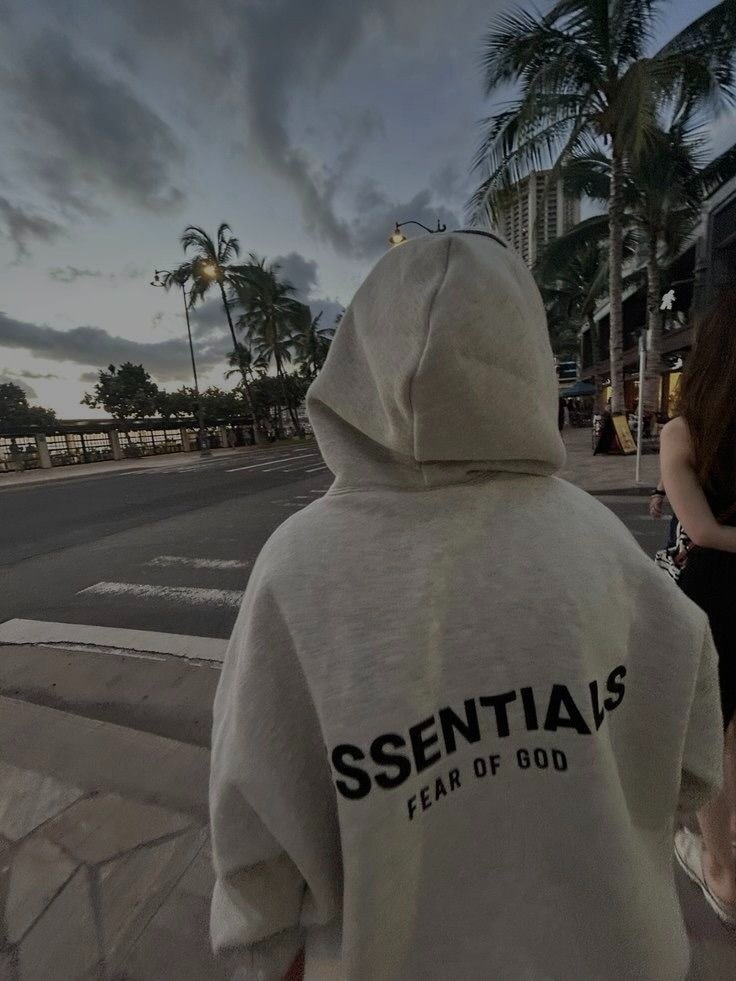
One of the most confusing things about Essentials for first-time buyers is the sizing. These hoodies are designed to be worn oversized. If you buy your normal size and it fits snugly, something is wrong . The intended fit is dropped shoulders, a wide chest, and a boxy silhouette .
That said, “oversized” does not mean “shapeless.” The authentic design has a controlled volume. The body length sits around the hip, not mid-thigh. The sleeves are long but proportional . A fake might just be cut large without any of the structural logic that makes the authentic piece work.
The Price and Seller Test
If the price is too good to be true, it is. Authentic Essentials hoodies typically retail between $120 and $180 . A brand-new hoodie for $50 or even $80 from a third-party seller is almost certainly fake. There is no legitimate supply chain that sells authentic Essentials at those margins.
Beyond price, look at the seller. Check if the website URL starts with “https” and has a lock icon . Ask for a receipt if buying secondhand. Read reviews carefully. If the reviews all sound identical or overly enthusiastic, they might be purchased. A seller who cannot or will not provide clear photos of the tags and logos is not worth your time .
A Quick Buying Checklist
Before you commit to any Essentials hoodie purchase, run through this mental checklist. Check the graphic texture first. Feel the fabric weight. Inspect the stitching and the hood construction. Confirm the sizing aligns with the oversized design intent. Verify the seller and the price. If any of these elements feel off, walk away. There are plenty of legitimate sellers out there. You do not need to gamble on a deal that seems suspicious.
Final Thoughts
Buying an Essentials hoodie should be a straightforward experience. You are paying for quality materials, considered design, and a specific aesthetic. The fakes cannot replicate the flocked print, the 380 GSM fleece, or the precision of the construction. Once you know what to look for, the difference is obvious. Trust your hands and your eyes, not just the listing photos.