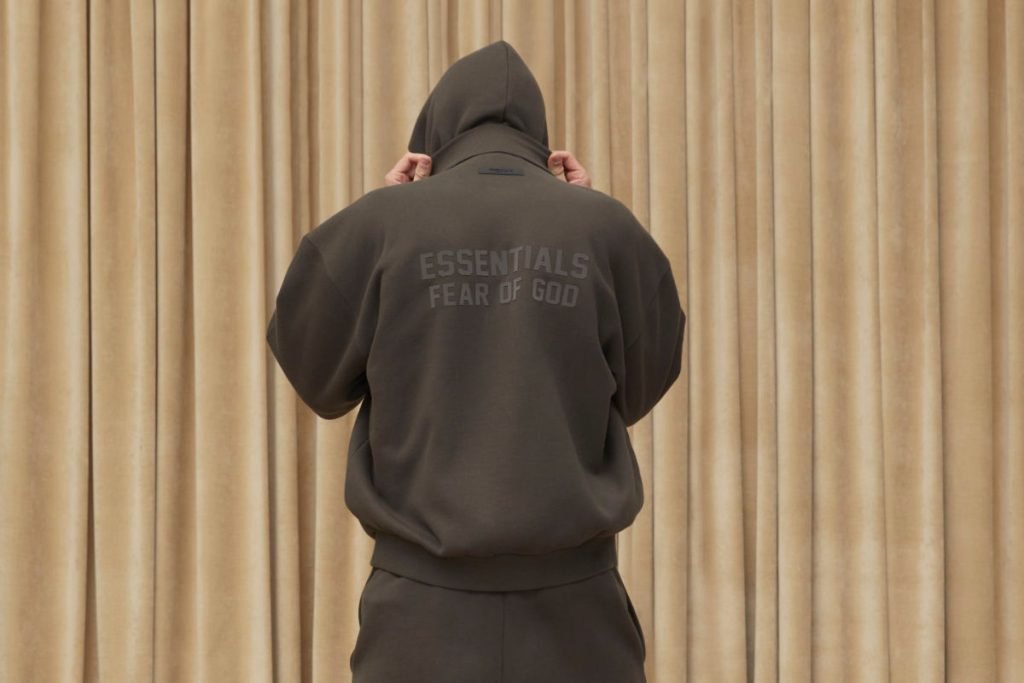
The Essentials Hoodie by Fear of God has become one of the most in-demand streetwear pieces in Canada, from Toronto to Vancouver. That popularity has a downside: the resale and online marketplace are flooded with convincing fakes, and Canadian shoppers face an extra wrinkle American buyers don’t — cross-border shipping, customs, and a smaller pool of authorized local retailers. If you’re about to drop $120–$200 CAD on a hoodie, you deserve to know it’s the real thing before it ships, not after.
This guide walks through exactly how to legit check an Essentials Hoodie, where to buy safely in Canada, and what to do if you suspect you’ve been sold a fake.
Why Essentials Hoodies Get Counterfeited So Often
Essentials built its identity around a minimalist, boxy silhouette, muted colourways, and simple text branding. That simplicity is exactly what makes it easy for counterfeiters to replicate at scale — there’s no complex graphic print or intricate pattern to get wrong. Combine that with sky-high resale demand and limited drop windows, and you get a perfect storm for fakes flooding Facebook Marketplace, Depop, Instagram resellers, and even some third-party listings on larger platforms.
For Canadian buyers specifically, the risk goes up a notch because fewer physical stores carry Essentials compared to the US, pushing more people toward online and cross-border purchases where it’s harder to inspect an item before paying.
The 7-Point Essentials Hoodie Legit Check
1. Check the Fabric Weight and Feel
Genuine Essential hoodie use a heavyweight fleece, generally in the 380+ GSM range. Pick the hoodie up by the shoulders — an authentic piece has real heft and drapes downward with noticeable weight. Fakes are commonly made with thinner 280–320 GSM fleece that feels light, flimsy, and doesn’t hold its shape the same way.
2. Inspect the Neck and Wash Tags
This is the single fastest tell. Authentic tags are printed in a bold, clean, evenly-weighted font with no blurring or fading between lines. Many fakes get the first word or line right, then the print quality drops off toward the bottom of the tag — a classic sign of low-effort counterfeit printing. Gently bend the tag between your fingers too: real tags feel soft and woven, not stiff or glossy.
3. Examine the Chest/Back Logo
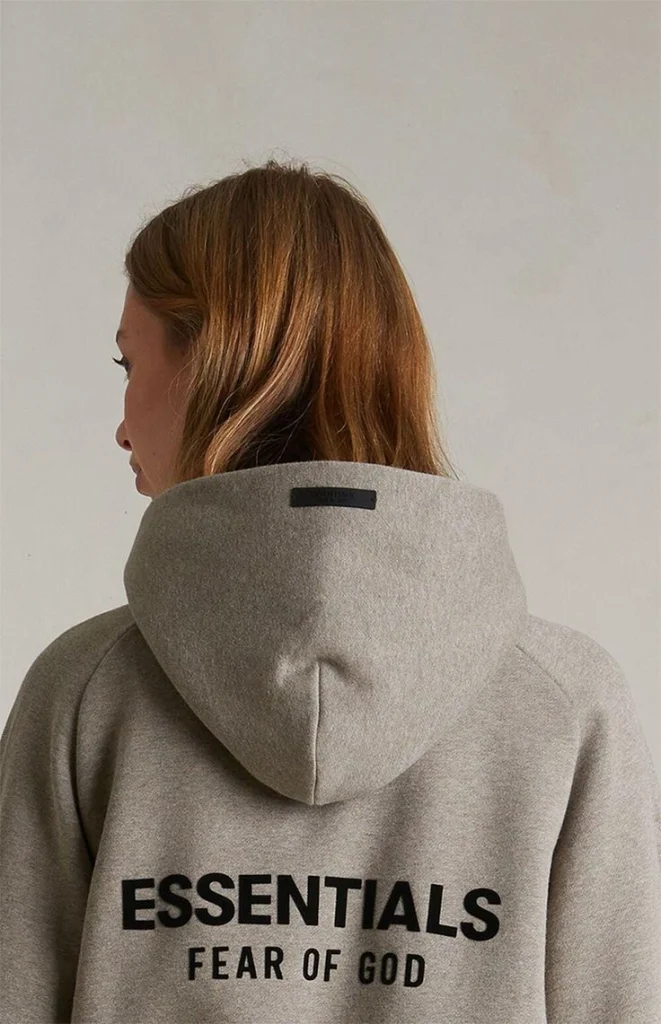
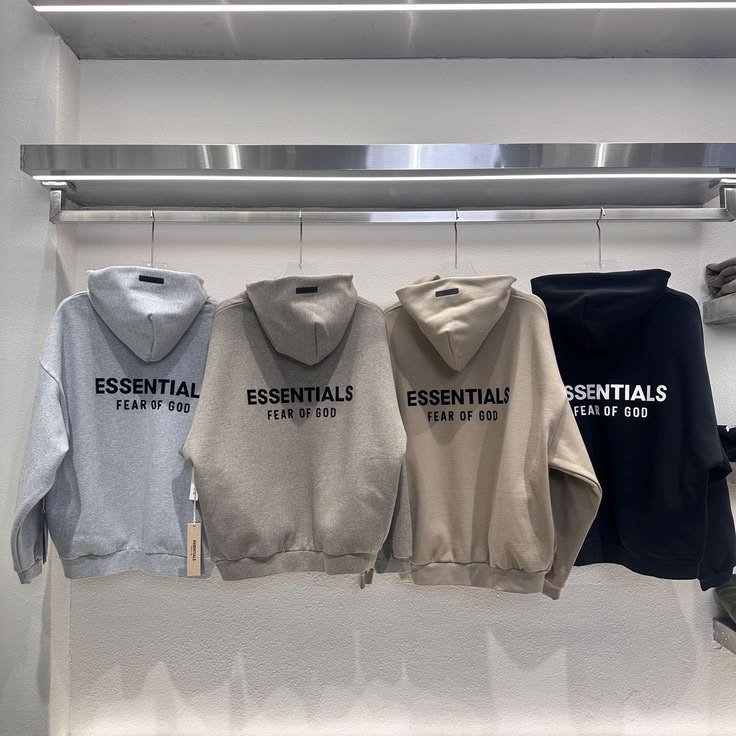
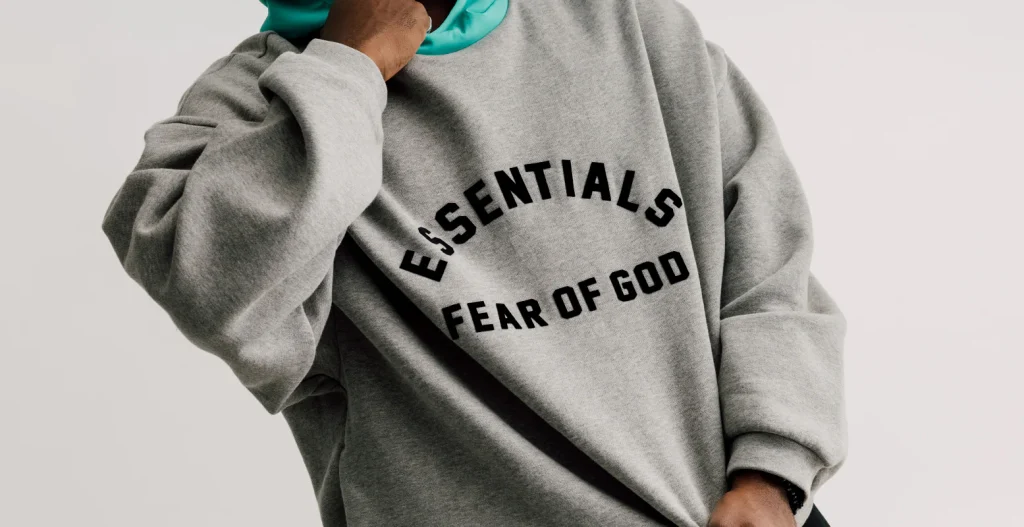
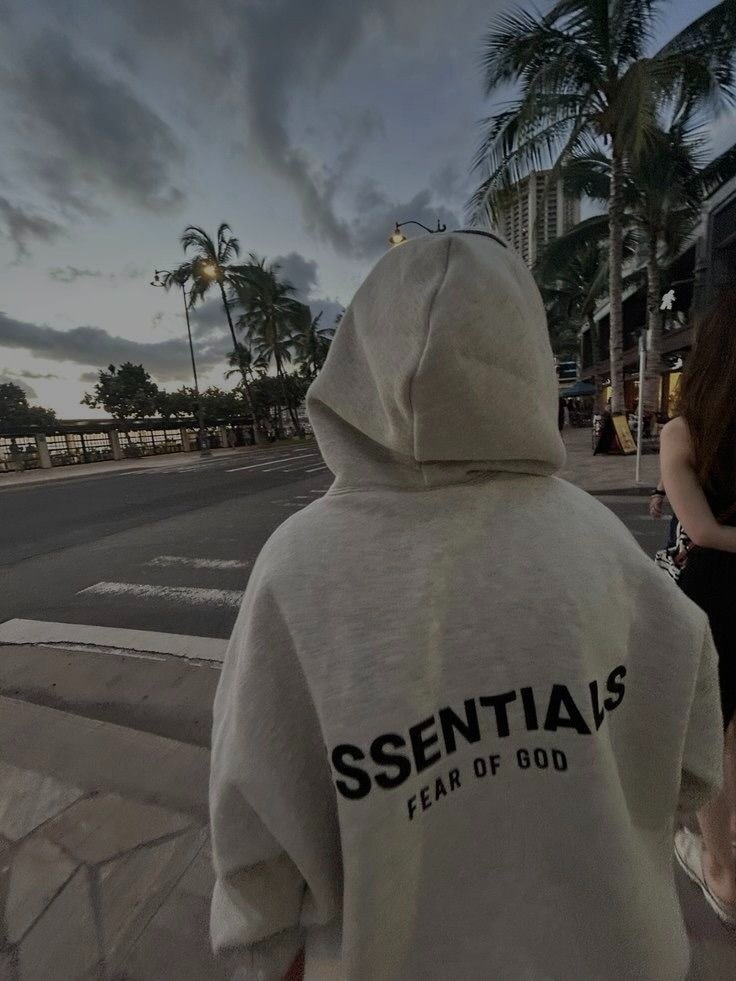
Real Essentials branding uses a matte, slightly raised puff or silicone-style print with crisp, consistent edges. Look closely at the lettering — authentic type keeps uniform thickness across every letter. Fakes often show uneven thickness, where some letters look bold and others look thin, plus placement that’s off-centre or sits too high or low on the chest.
4. Look at the Stitching
Flip the hoodie inside out and check the seams at the shoulders, cuffs, and hem. Genuine pieces have tight, even, reinforced stitching with no loose or hanging threads. Sloppy, uneven stitching is one of the most common giveaways on lower-tier fakes.
5. Test Fabric Compression and Texture
Press the fleece between your thumb and index finger. Authentic heavyweight fleece resists compression and bounces back quickly. Cheaper fleece used in replicas compresses easily and can look slightly matted or uneven under direct light.
6. Compare the Drawstrings and Hood Shape
Essentials is known for a specific rope-style drawstring and a boxy hood silhouette. Fakes frequently use thinner, flatter drawstrings or get the hood proportions slightly wrong compared to official product photos from the season it was released.
7. Check the Price Against the Market
If a “brand new” Essentials Hoodie Canada is listed well below typical resale value, that’s a red flag on its own. Cross-reference current pricing on StockX or GOAT before buying from an independent seller — a price that’s too good to be true usually is.
Where Canadian Buyers Should Shop for Authentic Essentials
- SSENSE — Canadian-founded and headquartered in Montreal, SSENSE is one of the most reliable authorized retailers for Essentials and ships domestically without customs surprises.
- PacSun and Mr Porter — Both stock official Essentials drops and ship to Canada, though duties may apply depending on the order.
- StockX and GOAT — Both offer third-party authentication before the item ships to you, which adds a layer of protection for resale purchases, though authentication fees raise the total cost.
- Fear of God’s official site — Buying direct removes almost all risk, but be aware of potential Canadian duties and exchange rate costs on checkout.
- Facebook Marketplace, Depop, and unverified Instagram sellers — Approach with caution. These are the most common sources of counterfeit Essentials pieces in Canada; only buy here if you’re confident applying the legit check steps above, or ask the seller for close-up photos of tags and stitching first.
A Quick Note on Duties and Customs for Canadian Shoppers
When ordering from US-based retailers, keep in mind Canada applies duties and GST/HST on imported apparel above certain thresholds, and courier brokerage fees can add a surprise cost on delivery. Buying from a Canadian retailer like SSENSE, or a platform that ships from a Canadian warehouse, sidesteps this entirely and is often the simplest way to guarantee both authenticity and a predictable final price.
What to Do If You Think You Bought a Fake
If you’ve already received the hoodie and something feels off, don’t panic — a few practical routes exist. If you bought through StockX, GOAT, PayPal, or a marketplace with buyer protection, you can typically open a dispute using photos of the tag, stitching, and logo as evidence. If you bought from an independent seller, a paid legit-check service (apps like Legit App or CheckCheck) can give you a professional opinion within a day or two before you decide whether to pursue a refund.
Final Thoughts
An Essentials Hoodie is a worthwhile investment in comfort and style, but only if it’s the real thing. For Canadian buyers, the safest path is sticking to authorized retailers like SSENSE, PacSun, or Fear of God’s official channels, and reserving resale platforms for situations where authentication is included. If you do buy secondhand, run through the tag, stitching, fabric weight, and logo checks above before you commit — a few minutes of inspection can save you from a costly mistake.